Museums and Rememberance Day 2026
I recently found myself sitting next to a 93-year old woman during a community brunch. She was someone I sort of knew, but had never had conversations with. Given the opportunity, she shared her life story with me. She grew up in Halifax surrounded by aunts, uncles, and extended family. She spoke fondly of that network and how much it meant to her, expressing sadness for children today who do not have this because families move, relatives live far apart, and the close-knit networks of her childhood now seem to be a rare occurrence. I smiled and told her that this sounds very much like my own family’s experience.
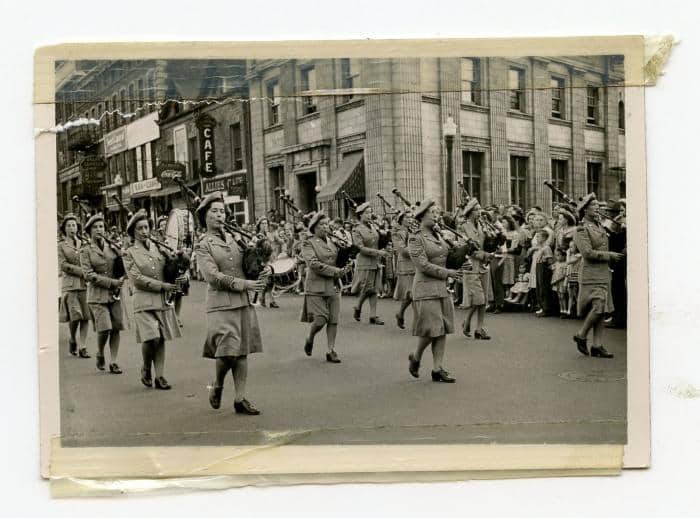
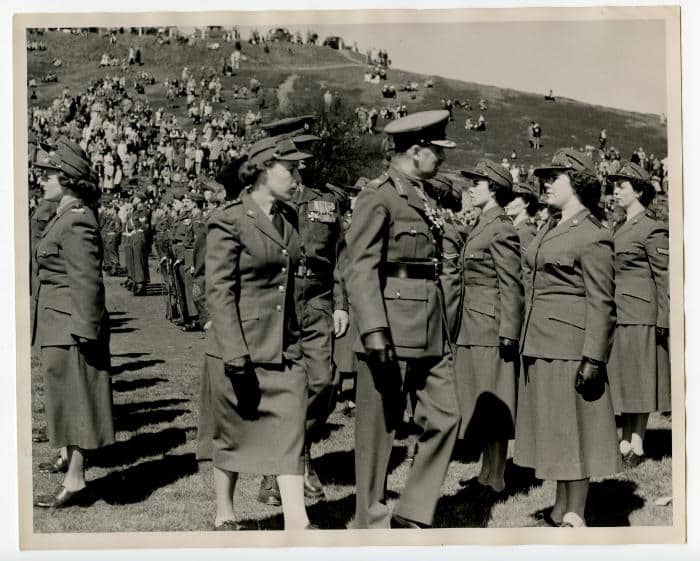
Maybe it was because I told her I work with museums, or maybe she was just in the mood to share, but she started to talk about life in Halifax during the Second World War. She recalled the busy harbour traffic, soldiers everywhere, ration cards, and curfew with blackout curtains. In the same matter-of-fact voice she noted that her father served in the navy during the war, that his ship was sunk, and he was lost at sea. He never came home. A few months later her little brother passed away. A well meaning aunt told her that angels came and took her brother in the night. As you can imagine, these events sparked fears of nighttime, being kidnapped, and being separated from her family.
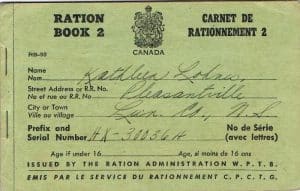
Ration Book. Circa 1940. 99.31.4, Desbrisay Museum. NovaMuse.ca.
What struck me most about this conversation was how completely her family’s world changed. They lost a provider, a role model, and a source of love and affection. What helped them through was the extended family who stepped in to fill some of those gaps. Her family network was her support system when her world got turned upside down.
This got me thinking about the role museums can play in supporting the people around them. We’ve talked a lot about the incredible potential museums have to support healing, acknowledge multigenerational trauma, and provide safe and welcoming spaces within their communities. We’ve talked about how museums are much less about their brick-and-mortar buildings than they are about the people who work and volunteer in them. Museums are people. And people have a responsibility to care for one another.
Museums regularly deal with stories of loss, war, conflict, and other difficult experiences. These stories are part of our collective history, but they are also part of people’s lived experiences. We don’t always know what someone is carrying when they walk through our doors, or how a particular story might affect them. We need to approach people with empathy, respect boundaries, listen without judgement, and understand that a sense of safety and belonging cannot be assumed. We need to recognize that difficult stories deserve to be told, but that how we tell them matters. This is how we show that we care.
And this care shouldn’t stop with our visitors. Staff and volunteers bring their own experiences, challenges, and losses to their work. Creating a supportive work environment means recognizing that people are more than the roles they fill; that we should be looking after each other.
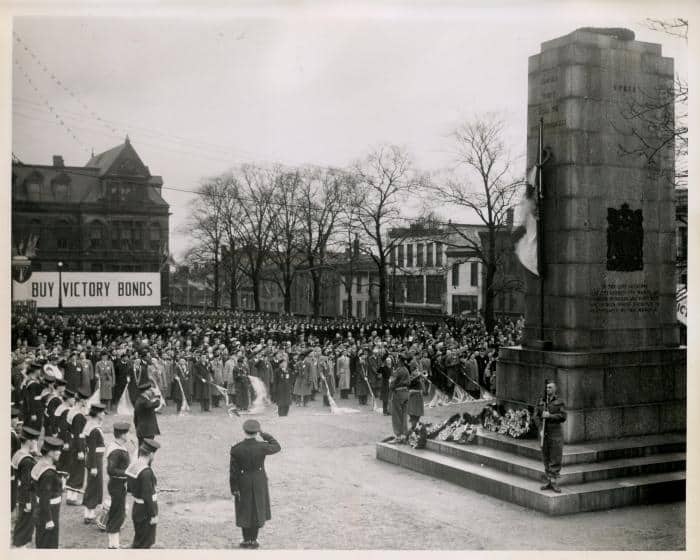
This Remembrance Day, as we think about what it means to remember, let’s also think about what it means to care. Let’s think about how we can step into the gaps, strengthen and be part of community networks, and make our museums places where people feel connected, supported, and valued.